
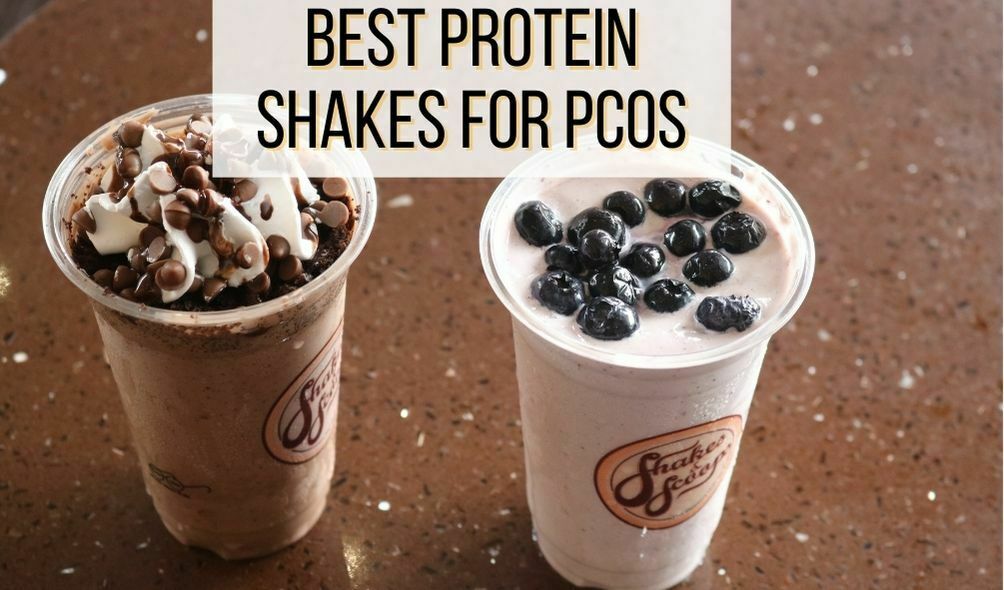
If you have PCOS, choosing the right protein shake can feel confusing — especially when weight loss, blood sugar control, and hormones are all part of the picture.
Protein shakes are not the same as meal replacement shakes. While meal replacements are designed to replace a full meal, protein shakes are meant to supplement your diet by increasing protein intake without excess carbs or sugar.
For many women with PCOS, the right protein shake can support appetite control, muscle maintenance, and more stable blood sugar — but the wrong one can worsen cravings or insulin resistance.
In this guide, we’ll break down which protein shakes actually make sense for PCOS, which types to avoid, and how to use them safely as part of a balanced PCOS-friendly diet.
What Protein Shakes Are (and How They Differ From Meal Replacements)
Protein shakes are supplements, not full meals. Their main role is to help you increase protein intake without significantly adding carbohydrates, fats, or calories — which can be especially helpful for women with PCOS who are managing insulin resistance or appetite fluctuations.
Unlike meal replacement shakes, protein shakes typically contain:
- A concentrated protein source (such as whey, pea, or soy)
- Minimal carbohydrates and sugars
- Fewer calories overall
They’re designed to support your diet — not replace whole foods entirely.
Protein Shakes vs. Meal Replacement Shakes: Key Differences
While the two are often confused, they serve different purposes:
- Protein shakes focus on protein only
They’re often used after workouts, between meals, or to boost daily protein intake without overeating. - Meal replacement shakes are more calorie-dense
They usually contain protein plus carbohydrates, fats, fiber, vitamins, and minerals — enough to replace a full meal.
For women with PCOS, this distinction matters. Some meal replacement shakes contain added sugars, refined carbs, or artificial ingredients that can spike blood sugar or worsen cravings. Protein shakes, when chosen carefully, are easier to fit into a PCOS-friendly eating pattern.
When Protein Shakes Make Sense for PCOS
Protein shakes may be helpful if you:
- Struggle to eat enough protein during the day
- Feel hungry soon after meals
- Are trying to lose weight while preserving muscle
- Experience blood sugar crashes between meals
That said, protein shakes should complement whole foods — not replace balanced meals built around vegetables, fiber, and healthy fats.
If your goal is to fully replace meals, a properly formulated meal replacement shake for PCOS may be more appropriate. But if your focus is protein support, appetite control, and blood sugar stability, a protein shake is usually the better fit.
Why Protein Matters for Women with PCOS
If you have PCOS, protein isn’t just a “fitness nutrient” — it plays a direct role in how your body handles blood sugar, hormones, and appetite.
Many of the most frustrating PCOS symptoms, like stubborn weight gain, intense cravings, and energy crashes, are closely tied to insulin resistance. Protein helps address that at the root.
Protein Helps Stabilize Blood Sugar
One of the biggest challenges with PCOS is how the body responds to carbohydrates. Meals high in refined carbs can lead to sharp spikes in blood sugar, followed by crashes that trigger hunger and cravings.
Protein slows digestion and:
- Reduces post-meal blood sugar spikes
- Lowers insulin demand
- Helps keep energy levels more stable throughout the day
This is why meals and snacks that include adequate protein tend to feel more satisfying — and easier to stick with.
Protein Supports Weight Loss Without Hormonal Stress
Many women with PCOS are told to “just eat less,” but aggressive calorie restriction can backfire by increasing hunger hormones and slowing metabolism.
Protein helps with weight management in a more sustainable way:
- It increases satiety, helping you feel full longer
- It preserves lean muscle mass during weight loss
- It slightly increases calorie burn through digestion (thermic effect)
This means you’re more likely to lose fat — not muscle — and avoid the cycle of restriction and rebound.
Protein Can Help Reduce Cravings
Cravings aren’t a lack of willpower — they’re often a sign of unstable blood sugar or inadequate protein intake.
When protein intake is too low:
- Hunger returns quickly after meals
- Sugar cravings become stronger
- Late-night snacking is more likely
Adding protein, especially earlier in the day, can make meals feel more “complete” and reduce the urge to snack constantly.
Protein Plays a Role in Hormone Balance
While protein isn’t a hormone treatment, adequate intake supports:
- Better insulin sensitivity
- More stable androgen levels over time
- Improved metabolic signaling overall
This is one reason higher-protein eating patterns are often better tolerated by women with PCOS compared to low-protein, high-carb diets.
Why Protein Shakes Can Be Useful (When Used Correctly)
Protein shakes aren’t mandatory — but they can be helpful when:
- You skip meals due to low appetite or a busy schedule
- You struggle to reach protein needs with food alone
- You need a low-carb, quick option between meals
The key is choosing simple, PCOS-friendly protein shakes without added sugars, fillers, or excessive carbs.
Protein works best when it supports real food — not replaces it entirely.
Can Protein Shakes Help With PCOS Weight Loss?
Not all protein sources affect the body the same way — and with PCOS, the type of protein you choose can make a real difference in how you feel, how hungry you get, and how stable your blood sugar stays.
Below is a clear breakdown of the most common protein types used in shakes, and how they typically work for women with PCOS.
Whey Protein: Effective but Not for Everyone
Whey protein is one of the most studied protein sources and is known for its high bioavailability and complete amino acid profile.
Potential benefits for PCOS:
- Supports muscle preservation during weight loss
- Helps control appetite
- May improve insulin sensitivity when used as part of a balanced diet
Things to watch out for:
- Can cause bloating or digestive discomfort for women sensitive to dairy
- Some flavored versions contain added sugars or artificial sweeteners
Whey protein isolate is often better tolerated than concentrate, as it contains less lactose.
Plant-Based Protein: Gentler and Often Better Tolerated
Plant-based protein powders (such as pea, rice, or blended plant proteins) are a good option for women who:
- Are dairy-free or vegan
- Experience bloating with whey
- Prefer simpler digestion
Benefits for PCOS:
- Generally lower impact on digestion
- Often free from lactose and dairy hormones
- Can support satiety when blended properly
Blended plant proteins tend to be better than single-source powders because they provide a more complete amino acid profile.
Soy Protein: Controversial but Not Off-Limits
Soy protein often raises questions for women with PCOS due to its phytoestrogen content.
Current research suggests that moderate soy intake is not harmful and may even support metabolic health in some women. However, responses vary individually.
If you choose soy protein:
- Opt for minimally processed versions
- Avoid products with added sugars or fillers
- Monitor how your body responds
If you notice bloating or hormonal symptoms worsening, it’s reasonable to switch to another protein source.
Pea Protein and Insulin Concerns
Pea protein does stimulate insulin — but so does any protein-containing food. This response is normal and not the same as causing insulin resistance.
For many women with PCOS, pea protein:
- Is easy to digest
- Helps control appetite
- Works well when paired with fiber or healthy fats
Which Protein Is Best for PCOS?
There is no single “best” protein for every woman with PCOS. The most important factors are:
- Digestibility
- Minimal added sugars
- Adequate protein per serving (20–30 g)
- How your body responds
The best protein shake is one you can tolerate, digest well, and use consistently without triggering cravings or bloating.
Best Types of Protein for PCOS (Whey, Pea, Soy, Plant-Based)
Not all protein shakes are created equal — especially for women with PCOS. The best options are those that deliver high protein per serving, minimal added sugars, balanced macros, and gentle digestibility. Below are protein shake choices that align well with blood sugar control, satiety, and overall health goals associated with PCOS.
1. Whey Protein Isolate (Unflavored or Lightly Sweetened)
Why it’s a good choice:
- Whey isolate offers high protein with minimal lactose, which can reduce bloating for many women.
- It provides all essential amino acids, supports muscle maintenance, and helps manage appetite.
How to use:
Mix with water or unsweetened almond milk post‑workout or between meals.
Tip: Choose products with <3g sugars per serving and no artificial sweeteners.
2. Pea Protein Blend
Why it’s a good choice:
- Excellent dairy‑free alternative
- Easier on the stomach for those with sensitivities
- Helps keep you full and supports steady energy
Best for:
Vegetarians, dairy‑sensitive individuals, or anyone who prefers plant‑based protein.
How to use:
Add to smoothies with spinach, nut butter, or chia seeds for extra fiber and fat balance.
3. Brown Rice + Pea Protein Blend
Why it’s a good choice:
- Combines two plant proteins to form a complete amino acid profile
- Generally gentle on digestion
- Often naturally lower in sugar and additives
Best for:
Women seeking a complete plant protein without dairy or soy.
How to use:
Blend with berries and unsweetened plant milk for a nutrient‑packed shake.
4. Collagen Peptides (Hydrolyzed)
Why it’s a good choice:
- Not a complete protein on its own, but great in addition to food sources
- Supports skin, hair, joints, and may complement overall protein goals
- Neutral flavor, dissolves easily
Best for:
Those who want an easy, mix‑in option alongside meals or other protein sources.
Note: If you use collagen alone, pair it with other high‑protein foods to reach your daily protein target.
5. Soy Protein Isolate (Minimally Processed)
Why it’s a good choice:
- Complete plant protein with high digestibility
- Some research shows benefits for cholesterol and insulin markers
- Avoids dairy for those with intolerance
Caveats:
Responses vary individually — check for personal tolerance.
How to use:
Blend into a shake with vegetables or a small amount of fruit for balanced macros.When chosen wisely, they can be a simple, effective tool for managing PCOS symptoms.
Recommended Store‑Bought Protein Shakes & Powders for PCOS
1. Optimum Nutrition Gold Standard 100% Whey Protein
A popular whey protein isolate that delivers around 24g of protein per serving with minimal carbs and sugar, which helps with satiety and weight support. It’s low in lactose, making it easier on digestion for many women. Check Optimum Nutrition Gold Standard Protein site.
2. Orgain Organic Protein Powder
A plant‑based blend (pea + brown rice + chia) with approximately 20–21g of protein per serving. It’s organic, gluten‑free, dairy‑free, and low in sugar — ideal for stabilizing blood sugar and controlling cravings. Check Orgain company site.
3. Garden of Life Raw Organic Protein
This plant‑based powder combines multiple sprouted protein sources and includes probiotics and enzymes, which can help support digestion and nutrient absorption — useful for women with PCOS who struggle with bloating or gut issues.
4. MRM All Natural Pea Protein
A pure pea protein isolate that is dairy‑free, soy‑free, and gluten‑free, with a complete amino acid profile. Pea protein is often easier to digest and helps with fullness and blood sugar control.
5. Vega Sport Performance Protein
A plant‑based blend (pea, rice, hemp) with a complete amino acid profile, added electrolytes, and support for recovery and energy. Great for women who exercise or strength train while managing PCOS. Active Gear Reviews
6. PCOS Diva Power Protein
Formulated specifically for PCOS support, this option combines collagen and complete protein, with no artificial sweeteners, and is gluten‑free and dairy‑free — helpful for those with sensitivities. PCOS Diva Shop
7. EarthChimp Organic Vegan Protein Powder
An organic, pea‑pumpkin‑coconut protein blend with fiber and probiotics that can increase satiety and support blood sugar regulation, making it a good plant‑based everyday choice. Grand Goldman
Ingredients to Avoid in Protein Shakes if You Have PCOS
Not all protein shakes are created equal — and for women with PCOS, some ingredients can actually make symptoms worse rather than better. Knowing what to look out for can save you from bloating, hormonal spikes, and frustration on your health journey.
Added Sugars and Artificial Sweeteners
Even small amounts of sugar in a shake can spike insulin and blood sugar levels. Many flavored protein powders use sucralose, maltodextrin, or other artificial sweeteners that may affect gut health or cravings.
Tip: Opt for unsweetened or naturally sweetened powders (think stevia or monk fruit) and pair them with fruits or spices for flavor.
Dairy or Casein Sensitivity
Whey and casein come from milk, which is fine for some women but can trigger inflammation, acne, or digestive issues in others. If you notice bloating, headaches, or breakouts after dairy-based shakes, try switching to isolate whey or a plant-based alternative.
Excessive Fillers and Thickeners
Some protein powders contain gums, cellulose, or maltodextrin to improve texture. These may irritate digestion or disrupt gut bacteria — something especially important for women with PCOS, as gut health influences insulin and hormonal balance.
Hormone-Containing Additives
Occasionally, protein products may include growth factors or other hormonal additives. Stick to natural, minimally processed protein powders to avoid unintentional hormone exposure.
Artificial Flavors and Colors
These are unnecessary and can sometimes trigger inflammation or sensitivity reactions. Choosing a powder with simple ingredients ensures you’re fueling your body, not adding potential stressors.
Quick Tip: Always read labels like a detective! The shorter and simpler the ingredient list, the safer it usually is for PCOS.
How Much Protein Do Women with PCOS Really Need?
Getting the right amount of protein is crucial for managing PCOS — it helps balance blood sugar, reduce cravings, maintain muscle, and even support weight management. But how much is enough without overdoing it?
General Guidelines
Most experts suggest that women with PCOS aim for around 1.2 to 1.6 grams of protein per kilogram of body weight per day. This is slightly higher than the average recommendation, because higher protein intake can help regulate insulin levels and support fat loss.
For example, if you weigh 70 kg (about 154 lbs), you’d aim for 84–112 grams of protein daily.
Adjusting for Activity Level
If you exercise regularly, lift weights, or have a physically demanding routine, your protein needs may be on the higher end of the spectrum. Protein helps your muscles recover and can even increase metabolism slightly, which is beneficial if you’re managing PCOS-related weight challenges.
Spread Protein Throughout the Day
Instead of loading all protein into one meal, aim to distribute it across breakfast, lunch, dinner, and snacks. This steady supply can:
- Reduce insulin spikes
- Increase satiety
- Help stabilize energy levels
Don’t Forget Quality
It’s not just about quantity — quality matters too. Opt for complete protein sources like:
- Whey or plant-based protein powders
- Eggs
- Fish and lean meats
- Legumes and soy
Balancing both the amount and quality of protein ensures your body gets the building blocks it needs without stressing your system.
Common Mistakes When Using Protein Shakes for PCOS
Protein isn’t just for muscle—it’s a key nutrient for managing PCOS. It helps stabilize blood sugar, reduces cravings, supports weight management, and aids in hormone balance. But how much should women with PCOS actually aim for?
Daily Protein Guidelines
Experts recommend that women with PCOS consume about 1.2 to 1.6 grams of protein per kilogram of body weight per day. This is slightly higher than the average intake because protein can help improve insulin sensitivity and promote fat loss.
For instance, if you weigh 70 kg (154 lbs), you’d need roughly 84–112 grams of protein per day.
Adjusting for Activity
If you’re physically active, lifting weights, or doing regular workouts, you may benefit from the higher end of the protein range. Protein supports muscle repair and can even slightly boost metabolism—both helpful when managing PCOS-related weight challenges.
Spread Protein Across Meals
Rather than eating all your protein in one sitting, distribute it throughout the day. Eating protein with every meal and snack can:
- Reduce insulin spikes
- Keep you fuller for longer
- Stabilize energy levels
Quality Over Quantity
Quantity matters, but so does quality. Choose complete protein sources like:
- Whey or plant-based protein powders
- Eggs
- Fish and lean meats
- Legumes and soy
By combining the right amount and quality of protein, you give your body the building blocks it needs without overloading your system.
When Protein Shakes May Not Be a Good Idea
Protein shakes can be a helpful tool for women with PCOS, but they aren’t always the best choice for everyone. Understanding when to pause or limit them can prevent unintended side effects and keep your health goals on track.
Digestive Sensitivities
Some women with PCOS experience bloating, gas, or digestive discomfort from certain protein powders, especially whey, casein, or soy. If you notice these symptoms, consider plant-based protein powders or whole-food protein sources like eggs, fish, and legumes.
Blood Sugar Concerns
Even though protein helps regulate blood sugar, some shakes are high in added sugars or artificial sweeteners, which can spike insulin and counteract your efforts. Always read labels carefully and opt for low-carb, minimally processed options.
👉 Oatmeal for PCOS: Is It a Good Choice and Which Type Is Best?
Allergies or Food Intolerances
If you have dairy, soy, or nut allergies, protein shakes containing these ingredients can trigger reactions. In these cases, a tailored plant-based protein or homemade shake may be safer and more effective.
Relying Too Heavily on Shakes
Protein shakes are supplements, not meals. Over-reliance can displace nutrient-rich whole foods, limiting your intake of fiber, vitamins, and minerals. Aim to use shakes as a convenient addition to a balanced PCOS-friendly diet rather than a complete replacement.
Medical Conditions
Women with kidney disease or other metabolic concerns should consult a healthcare provider before adding high-protein shakes, as excessive protein intake can worsen certain conditions.
Conclusion
Protein shakes can be a valuable tool for women with PCOS, helping to manage weight, stabilize blood sugar, and support muscle maintenance. Choosing the right type — whether it’s whey, pea, soy, or a plant-based blend — and avoiding added sugars or artificial ingredients can make a big difference in how effective they are for your health goals.
Remember, protein shakes are supplements, not replacements for balanced meals. Pair them with whole foods, fiber, and healthy fats to get the most benefit. By making informed choices and tailoring your protein intake to your individual needs, you can use protein shakes as a convenient, supportive part of your PCOS-friendly lifestyle.
